

High Quality Dog Treats for Training: 8 Best Picks
Sep 30 , 2026
Table of Contents
- Quick Comparison: High Quality Dog Treats for Training
- How to Choose Healthy Dog Treats for Training
- High Value Dog Treats for Recall and Distraction Work
- Low Calorie Training Treats for Puppies and Adult Dogs
- 1. Tasty Chicken Mini Bones: Best Everyday Crunchy Reward
- 2. Sumptuous Sunday Roast Mini Bones: Best Meat and Veg Combo
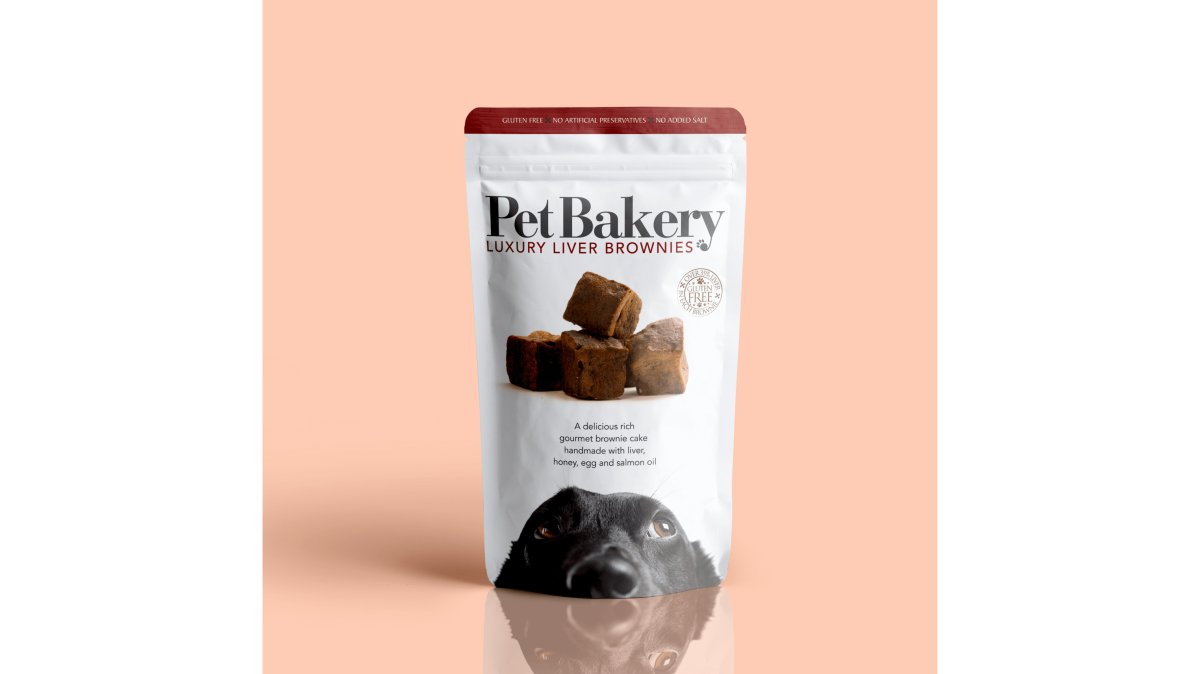
- 3. Mini Liver Brownies: Best High-Value Soft Bite
- 4. Joint Care Treats: Best for Older Dogs in Training
- Frequently Asked Questions
Last Updated: September 30, 2026
Quick Comparison: High Quality Dog Treats for Training
High quality dog treats for training are rewards made with recognisable, traceable ingredients, cut small enough to use repeatedly without unbalancing your dog's daily calorie intake. At Pet Bakery, a family-run maker established in 2004 with SALSA approved production, we've watched reward-based training become the default approach for modern owners. The treats you choose set how fast your dog learns and how healthy they stay while learning. Below, we compare our most popular picks, then explain how to choose between them.
The biggest mistake owners make is grabbing whatever's in the cupboard and calling it a training treat. A reward only works if your dog wants it, and it only stays healthy if you account for it in their daily food.
| Treat | Best For | Key Ingredients | Protein | Price |
|---|---|---|---|---|
| Tasty Chicken Mini Bones | Everyday crunchy reward | Chicken (16%), rosemary | 10% | £3.89 |
| Sumptuous Sunday Roast Mini Bones | Meat and veg combo | Beef (16%), carrots, peas | 10% | £3.89 |
| Mini Liver Brownies | High-value soft bite | Beef liver (35%), honey, salmon oil | 12% | £3.89 |
| Joint Care Treats | Older dogs in training | Chicken, turmeric, green lipped mussel | 11.7% | £3.89 |
How to Choose Healthy Dog Treats for Training
Choosing healthy dog treats for training comes down to three checks: what's in them, how big they are, and how many you hand over in a session. Get those right and you can train daily without worrying about your dog's waistline or digestion.

Ingredients to Avoid in Training Treats
Avoid treats listing artificial preservatives, added salt, and vague entries like "cereals" or "derivatives of vegetable origin." These tell you nothing about what your dog is eating, and they're common triggers for sensitive stomachs and itchy skin.
Look instead for named protein sources. Our Tasty Chicken Mini Bones list chicken at 16% and rosemary extract, with no artificial preservatives and no added salt. If your dog has chicken or beef allergies, single-protein treats make elimination easier, because you're only testing one ingredient at a time.

Size, Texture, and Treat-to-Meal Ratio
Treat-to-meal ratio is the calculation most guides skip. As a working rule, treats should make up no more than roughly a tenth of your dog's daily calories. For a small dog on two small meals a day, that's a handful of mini bones, not a full biscuit.
This is why size and texture matter. A treat that takes thirty seconds to chew breaks the rhythm of a session. Mini bones and soft bites let you reward, reset, and repeat in seconds. Crunchy textures suit calm, everyday rewarding; soft textures suit fast, high-energy work.
High Value Dog Treats for Recall and Distraction Work
High value dog treats for recall are the ones your dog will cross a field for. Recall and distraction work demand a bigger reward than a sit in the kitchen, because you're asking your dog to ignore something genuinely exciting.
Liver-based treats are the classic answer. Our Mini Liver Brownies lead with beef liver at 35%, plus honey and salmon oil, and add prebiotics to support digestion. That combination of strong smell and rich taste cuts through distractions.

The Training Treat Hierarchy: Everyday vs Jackpot Rewards
Most guides tell you to 'use high-value treats for hard tasks' and stop there. The useful version is a three-tier hierarchy mapped to distraction level, because the reward that works in your kitchen will fail at the park.
Tier 1, Everyday rewards (low value). Plain kibble, or a small crunchy biscuit like our Tasty Chicken Mini Bones. Use these when your dog is already focused on you: a sit in the living room, a settle on the mat, a short stay with no distractions.
Matching the Reward to the Distraction Level
A common pattern trainers use is to think in three environments and pick the matching tier:
- Low distraction (home, empty garden): Tier 1 is enough. Save the good stuff.
- Medium distraction (busy street, familiar park with a few dogs around): step up to Tier 2.
- High distraction (open field, livestock nearby, other dogs sprinting): Tier 3 only. This is where the liver brownies earn their keep.
Low Calorie Training Treats for Puppies and Adult Dogs
Low calorie training treats are simply treats small enough and lean enough to use dozens of times per session. Puppies and adult dogs both need this: puppies are still developing and shouldn't be overfed, while adult dogs on weight management need every calorie accounted for.
The Treat-to-Meal Ratio, Worked Through
The working rule is that treats should make up no more than roughly a tenth of your dog's daily calories. To turn that into a number of treats, you need three figures: your dog's daily calorie target, the calorie content per treat, and the number of training sessions per day.
Adjusting the Main Meal
Once you know your treat budget, the adjustment is simple. If you're training twice a day with a handful of mini bones each time, reduce the evening meal by roughly the same calorie value. That's the guilt-free way to train consistently, you're not adding calories, you're reallocating them.
Puppies: Smaller Budgets, Shorter Sessions
1. Tasty Chicken Mini Bones: Best Everyday Crunchy Reward
Our top pick for daily training is Tasty Chicken Mini Bones, and it's the treat we'd hand to most owners first. It's a crunchy gourmet shortbread biscuit made with real chicken and a hint of rosemary, and at £3.89 for a 190g bag it's affordable enough to use every day.
2. Sumptuous Sunday Roast Mini Bones: Best Meat and Veg Combo
If you want more variety in the bowl, Sumptuous Sunday Roast Mini Bones add garden vegetables to the mix. Beef sits at 16%, with carrots at 3% and peas at 2%, all baked into a crunchy biscuit texture dogs tend to love.
3. Mini Liver Brownies: Best High-Value Soft Bite
For recall, agility, and distraction work, Mini Liver Brownies are the strongest tool in this list. Beef liver makes up 35% of the recipe, supported by honey at 12.5% and salmon oil at 2%, with added prebiotics to keep digestion happy.
4. Joint Care Treats: Best for Older Dogs in Training
Older dogs still train, and Joint Care Treats are built for them. This soft gourmet biscuit combines spirulina, turmeric, and green lipped mussel extract, a source of Omega 3, to help support joint mobility. Chicken sits at 10%, and the recipe is gluten free.
Frequently Asked Questions
What do professional dog trainers use for treats?
Trainers reach for small, soft, high value dog treats for recall and distraction work because they can be swallowed quickly without breaking focus. Pea-sized pieces of liver brownie or a mini bone work well. Many keep two tiers: an everyday biscuit for easy cues and a richer reward for challenging environments. The key is matching reward value to the difficulty of the behaviour, not just using one treat for everything.
How many training treats should a dog have per day?
Treats should make up no more than about 10% of a dog's daily calories. For a 10 kg dog on roughly 400 kcal a day, that is around 40 kcal of treats, or about 10 small low calorie training treats. Subtract those calories from the main meal on heavy training days so weight stays steady. If you are unsure, ask your vet for a calorie target based on your dog's age, size and activity level.
What are the best treats for dogs when training?
The best treats are small, smelly, soft and easy to chew. Look for named protein sources such as chicken or beef, no artificial preservatives and no added salt. For high-distraction work, a liver-based treat with a strong aroma gets attention faster. For routine sessions, a crunchy biscuit like a mini bone keeps calories controlled. Always check the analytical constituents so you know the protein and fat levels.
What training treats do vets recommend?
Vets tend to favour treats with recognisable ingredients, a single main protein and no artificial additives. For dogs with sensitive stomachs or allergies, a single-protein or grain-free option reduces the risk of a flare-up. Treats with added prebiotics, such as FOS, can support digestion during frequent reward-based training. If your dog has a diagnosed allergy, ask your vet before introducing anything new.
What is the 3-3-3 rule for dog training?
The 3-3-3 rule describes how a rescue dog settles in: three days to decompress, three weeks to learn your routine, three months to feel at home. During each phase, reward-based training with high value treats builds trust faster than pressure. Keep sessions short, use low calorie training treats for repetition and save the richest rewards for breakthroughs. Patience during the first three weeks pays off in the long run.